


What is an LED mask?
An LED mask uses light-emitting diodes to expose the skin to light with a precisely defined wavelength. Unlike lasers, the LEDs used in these devices are not intended to heat or abrade the skin.
This is generally referred to as photobiomodulation, a phenomenon in which low-intensity light can influence certain cellular biological processes.
Devices intended for cosmetic use may use different wavelengths:
- Red light and near-infrared light are notably studied in the context of skin aging;
- Certain lights, such as blue light, are studied more extensively for blemish-prone skin.

How does LED light affect the skin?
Not all LED lights have the same effect on the skin. The wavelength used, in particular, determines the depth to which the light can act and the mechanisms it may influence.
Red light and near-infrared light are particularly studied for skin aging. They may help support certain natural skin repair mechanisms and influence the activity of fibroblasts, which notably contribute to the production of collagen.
Blue light, meanwhile, is primarily studied for blemish-prone skin. In particular, it may act on certain bacteria involved in acne.
However, these effects remain dependent on the type of light and the parameters used. An LED mask will therefore not necessarily have the same effect depending on the wavelengths it uses, their intensity, and the duration of the sessions.
Are LED masks effective against wrinkles?
The available results are encouraging, but they do not allow all LED masks to be considered equivalent.
A randomized clinical study, double-blind and placebo-device controlled, published in 2025, studied for 16 weeks a mask combining 630 nm red LED light and 850 nm infrared light in 60 people with crow's feet. The researchers observed a significant improvement in certain wrinkle parameters after just 8 weeks, with differences between the treated and control groups also observed at 12 and 16 weeks.
These results are interesting because the study is not based solely on a before-and-after comparison: it uses a control group and a double-blind protocol.
However, this does not mean that any LED mask will produce the same results. Devices may differ in their wavelengths, power, usage time, and design.

Can you use an LED mask every day?
Not necessarily.
The frequency of use depends on the device and the protocol tested. Increasing the duration or frequency of sessions in the hope of achieving better results is not a good strategy.
The effects studied generally appear after several weeks of regular use rather than after a single session. It is therefore preferable to follow the manufacturer's recommendations regarding the duration and frequency of use.
Consistency seems more important than seeking maximum exposure.
Are LED masks dangerous for the skin?
Photobiomodulation devices use relatively low energy levels and are generally considered non-invasive devices. However, this does not mean they are suitable for everyone.
Indeed, devices using therapeutic light may pose risks, even if they are uncommon: irritation, pain, burns, or changes in pigmentation may occur. Precautions depend on the device used.
Eye protection also deserves particular attention. Some devices are designed with specific protection or a configuration that limits eye exposure. It is therefore important to follow the manufacturer's recommendations and not look directly at the LEDs when this is advised against.
Particular caution is also necessary in cases of:
- Photosensitivity;
- Use of photosensitizing medications;
- Certain medical conditions and treatments.
Therefore, if in doubt, particularly in the presence of a skin condition or medical treatment, it is best to seek advice from a healthcare professional before starting.
LED mask and anti-aging cream: two complementary approaches
An LED mask does not replace a suitable skincare routine. If the goal is to care for skin showing signs of aging, using a daily skincare product can complement this approach.
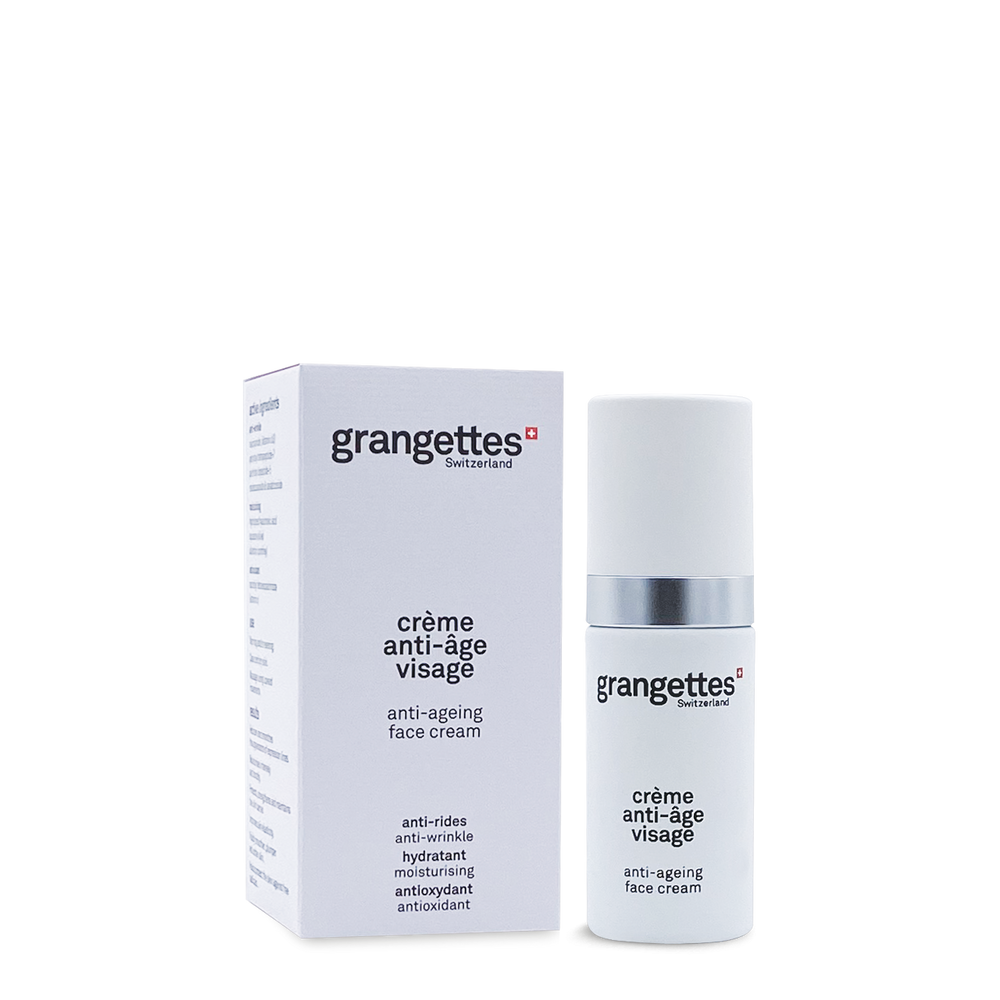
The crème anti-âge Grangettes notably combines niacinamide, peptides, hyaluronic acid, squalane, allantoin, and a vitamin C derivative. Its formula hydrates your skin, improves its appearance, and visibly reduces the appearance of wrinkles.
- Regular price
- 42,50 €
- Regular price
- Sale price
- 42,50 €
- Unit price
- per
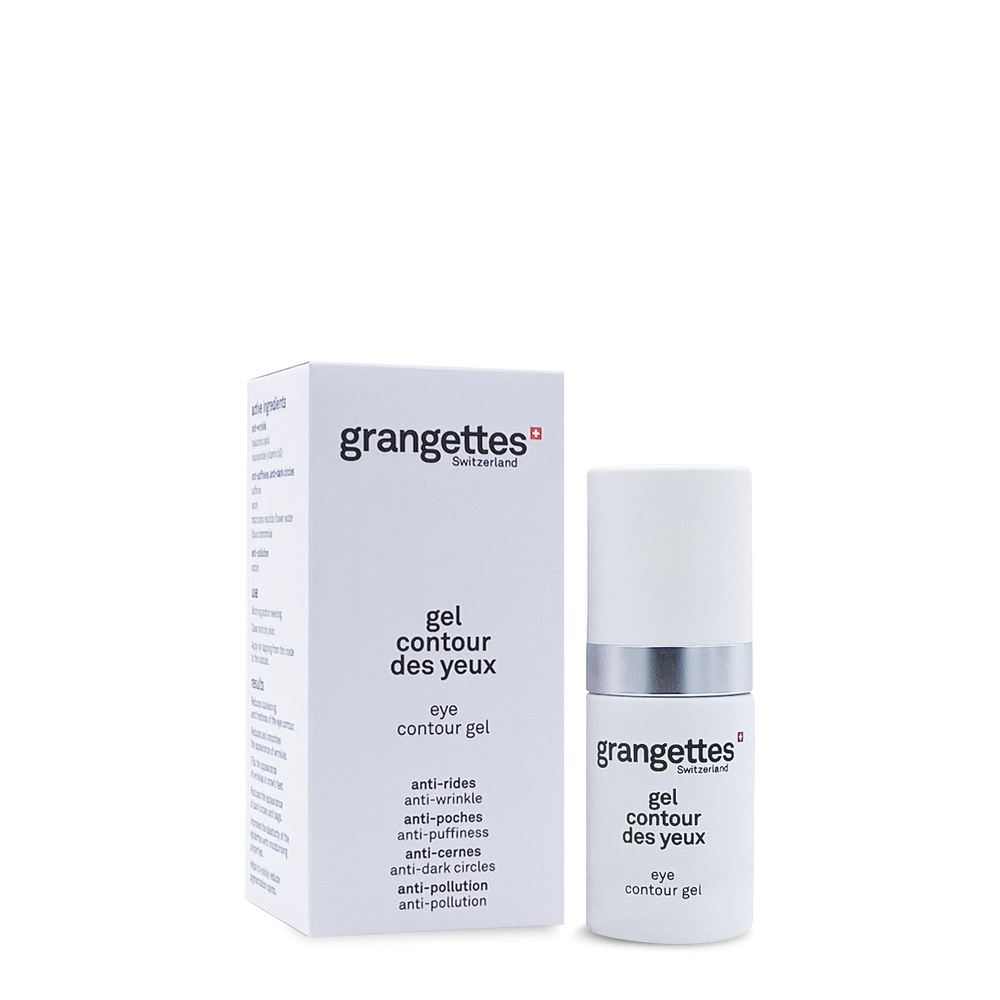
It can therefore have a place in a daily routine, alongside other essential measures such as suitable hydration of the eye area. Here, the eye contour gel is a valuable ally: it smooths puffiness and dark circles and helps combat wrinkles and fine lines with hyaluronic acid and niacinamide.
- Regular price
- 40,20 €
- Regular price
- Sale price
- 40,20 €
- Unit price
- per
The idea is therefore not to rely on a single technology, but to address the skin's different needs with a consistent routine.
So, should you try LED masks?
The available scientific data are encouraging but still limited. Some clinical studies show an improvement in wrinkle-related parameters with specific LED devices, particularly after several weeks of use.
However, it remains difficult to generalize these results to all masks available on the market. Not all devices deliver the same light, power, or protocol.
LED masks can therefore be considered as a complementary tool in a skincare routine, provided you choose a device whose specifications are clearly indicated and carefully follow the usage recommendations.