


The skin: an organ directly connected to the brain
The skin and the brain are closely linked from their formation: they both originate from the ectoderm, a common embryonic tissue. This origin partly explains why the skin is so sensitive to changes in our emotional state and why stress or certain emotions can directly manifest on our skin.
The skin has a large number of nerve receptors capable of detecting sensations such as heat, cold, pain, or touch. It is therefore directly connected to the nervous system.
When a strong emotion arises, the body reacts immediately. A stressful situation, fear, or a period of anxiety can trigger the release of hormones like cortisol and adrenaline. These physiological reactions can then appear on the surface of the skin.
That is why some people notice the appearance of pimples before an important event, more sensitive skin during a difficult period, or a duller complexion when they accumulate fatigue.

Stress: one of the main factors influencing the skin
Stress is probably the most studied emotion in the link between skin and emotions. When it becomes chronic, it can disrupt the natural balance of your epidermis.
An excessive production of cortisol can notably influence sebum production, promote inflammation, and weaken the skin barrier. The skin can then become more reactive and less able to protect itself against external aggressions.
The consequences can vary:
- Appearance or worsening of blemishes
- Feelings of tightness or dryness
- Redness and skin discomfort
- Duller complexion linked to lack of recovery
Stress can also have an indirect impact on the skin by changing some of your habits: less restorative sleep, unbalanced diet, less time devoted to skincare, or increased consumption of stimulants.
Can emotions cause pimples?
Yes, emotions can cause pimples. It is even common to observe an increase in blemishes during emotionally intense periods. Although pimples have several possible causes (genetics, hormones, environment, lifestyle), emotions can play an important role in their appearance or worsening.
Stress can indeed stimulate certain inflammatory mechanisms and alter the balance of the skin microbiome, that is, the collection of microorganisms naturally present on the skin’s surface.
Weakened skin can then become more vulnerable to imbalances: this is especially true for people who already tend to acne, redness, or irritation.
However, it is important not to feel guilty: having blemishes does not mean “poor emotional management.” The skin is simply a living organ that reacts to its internal and external environment.
When emotions show on the skin...
Some skin reactions linked to emotions are immediate and well known.
Blushing when feeling embarrassed, having sweaty hands before an important meeting, or feeling your skin heat up during a stressful situation are examples of normal body reactions.
These manifestations are related to the activation of the nervous system. When a strong emotion occurs, blood vessels can dilate, sweating can increase, and skin temperature can change.
The skin then becomes a true messenger of our emotions!
Taking care of your skin also means taking care of yourself
An effective beauty routine does not rely solely on the products used. The quality of sleep, stress management, and moments of relaxation also contribute to skin health.
When the body is rested and less subjected to constant tension, the skin benefits from better conditions to function properly.
Some simple habits can help restore better balance:
- Give sufficient importance to sleep and recovery
- Practice a relaxing activity such as breathing, meditation, or gentle physical exercise
- Allow yourself moments of pause to reduce your mental load
Taking care of your skin should truly become a wellness ritual, not just an aesthetic routine!
The role of touch in the relationship between skin and emotions
The skin is also an organ of contact. Touch plays an important role in our emotional balance. A face or body massage does not only provide a pleasant sensation: it can also promote a moment of reconnection with oneself. Gentle, regular, and attentive gestures during the application of a product help create a soothing sensory experience.
This is one of the reasons why the textures, scents, and sensations of a product can influence our perception of the care. Your beauty routine can then become a special moment to slow down and take care of yourself.

An adapted beauty routine to respect the skin’s balance
When emotions are intense or the skin goes through a fragile period, avoid multiplying products. An overly complex routine can sometimes over-stimulate the skin! Conversely, favor essential, gentle, and suitable care to maintain the skin barrier while meeting its fundamental needs: cleansing, hydration, and protection.
Grangettes Switzerland cosmetic products follow this approach. They are designed to support your skin daily, with gentleness.
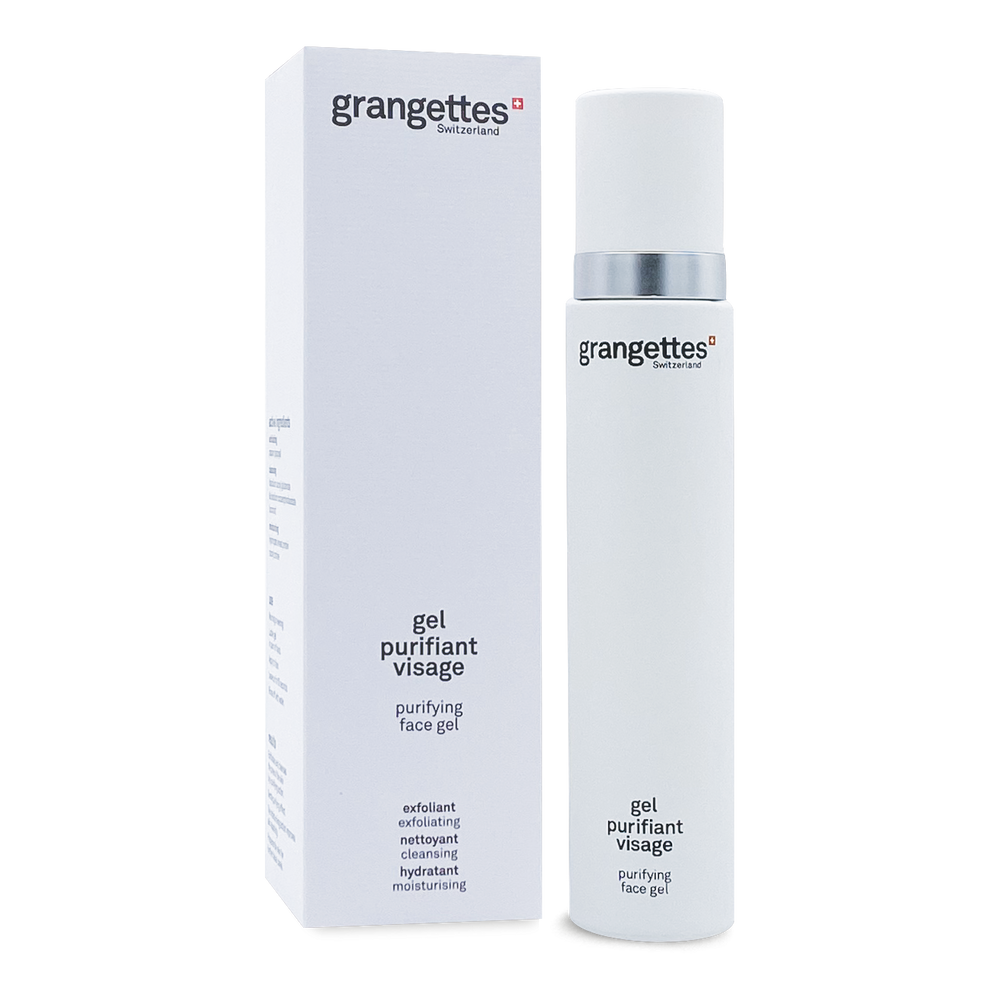
The Grangettes Switzerland purifying face gel cleanses your skin while removing accumulated impurities without disturbing its natural balance.
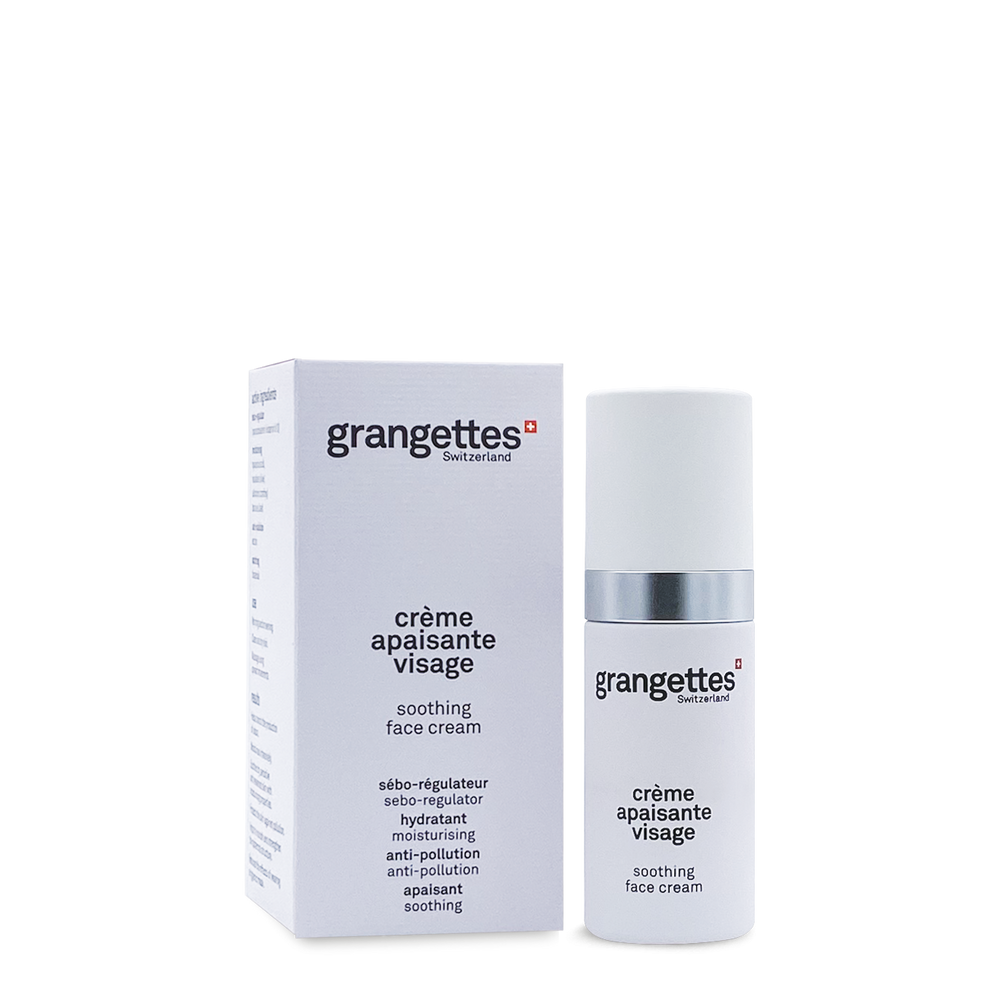
The Grangettes Switzerland soothing face cream then provides hydration and comfort to help the skin preserve its protective function.
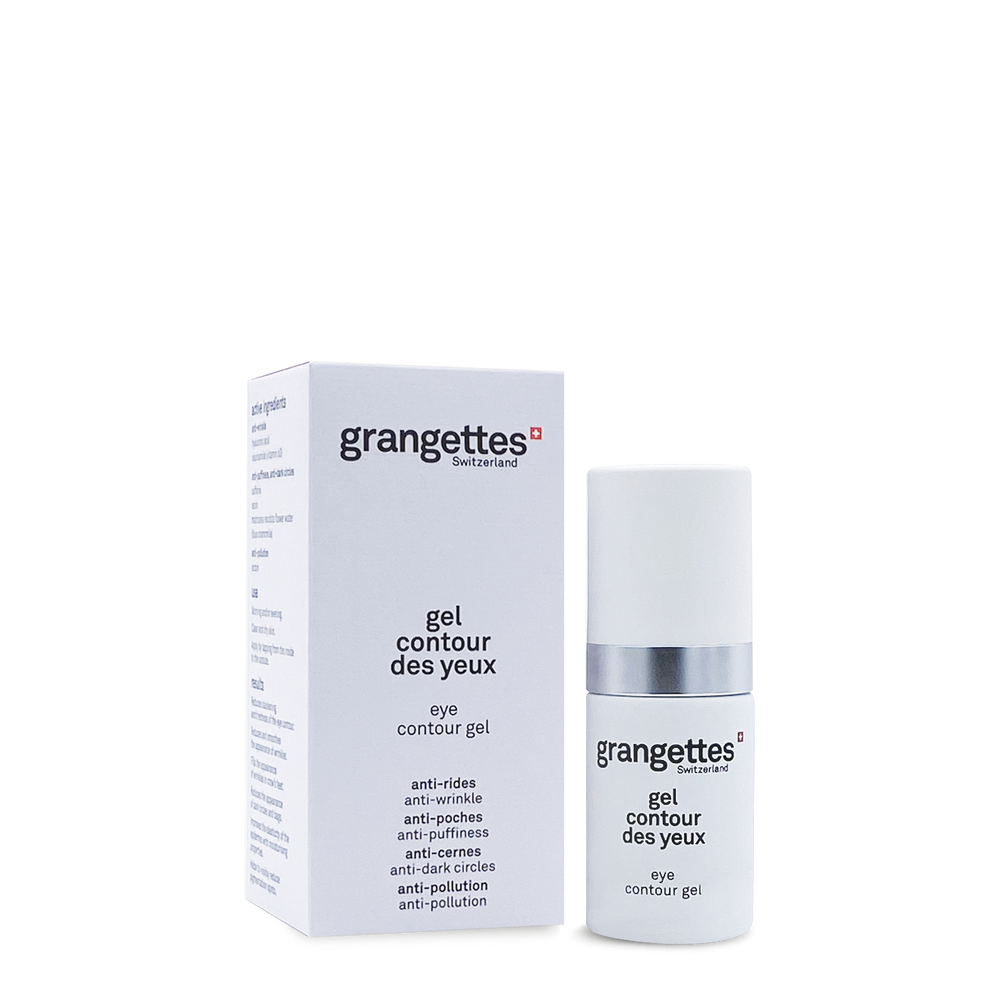
Finally, the Grangettes Switzerland eye contour gel cares for this particularly delicate area, often marked by fatigue or lack of sleep.
- Regular price
- 41,35 €
- Regular price
- Sale price
- 41,35 €
- Unit price
- per
- Regular price
- 40,20 €
- Regular price
- Sale price
- 40,20 €
- Unit price
- per
- Regular price
- 40,20 €
- Regular price
- Sale price
- 40,20 €
- Unit price
- per
This simple routine allows you to take care of your skin while creating a true daily moment of well-being!