


Cortisol: the central hormone of the stress response
In a stress situation, the brain activates a mechanism called the HPA axis (hypothalamo-pituitary-adrenal). Within seconds, this system commands the adrenal glands to release cortisol. This hormone then acts as a "booster" to allow the body to react: it mobilizes glucose, improves alertness, activates muscles, and puts the body on high alert.
In case of prolonged stress, cortisol levels remain high for hours, days, or even weeks. And that’s when trouble starts for the body... and for the skin!
How cortisol triggers pimples: the 4 main mechanisms
The link between cortisol and acne-prone skin is not a myth: it is scientifically proven. Several biological phenomena explain why a stressful period is often accompanied by blemishes.
1: cortisol increases sebum production
Under the effect of stress, the skin produces more sebum, because cortisol stimulates the sebaceous glands.
Result:
-
Shiny skin faster;
-
Clogged pores;
-
An environment conducive to blackheads and inflammatory pimples.
This is one of the reasons why many people see their acne worsen during exams, a job change, family conflicts, or a period of intense fatigue.

2: cortisol weakens the skin microbiome
The skin is covered with a microbiome: a collection of protective bacteria. A high level of cortisol tends to disrupt this flora, which:
-
Facilitates the proliferation of bacteria responsible for acne (such as Cutibacterium acnes);
-
Weakens the skin's natural defense;
-
Increases skin inflammation and sensitivity.
The microbiome imbalance also makes the skin more reactive to cosmetics and temperature changes.
3: cortisol disrupts the skin barrier
The stress hormone reduces the skin's ability to retain water. This mechanism weakens the skin's protective barrier, causes redness, and creates a chronic inflammatory environment.
Dehydrated skin + excess sebum = an ideal combination for persistent blemishes to appear!

4: cortisol increases inflammation
Pimples are not only linked to excess sebum: they are micro-inflammations. However, chronic cortisol:
- Delays healing;
- Amplifies the reaction of existing pimples;
-
Promotes hormonal acne outbreaks.
That is why, during a stressful period, a small pimple can quickly become painful, red, deep... and take much longer to disappear.
Why do certain areas of the face react more to cortisol?
Stress does not affect all areas in the same way. The most affected areas are generally:
- The forehead ;
- The cheeks ;
- The chin and jawline;
- The upper back and shoulders.
In some people, cortisol surges resemble classic acne. In others, they manifest as microcysts, red pimples, sudden eruptions, inflammatory patches.
The infernal trio: stress, sleep, and diet
Cortisol never works alone: it interacts with other aggravating factors, creating a vicious circle...
Stress disrupts sleep
The less you sleep, the more cortisol increases. And the more your cortisol rises, the more unstable your sleep becomes... And skin deprived of restorative night sleep heals less well, produces more sebum, and inflames more easily.
Stress influences diet
When tense, people often turn to fatty, sugary foods, coffee... However, these foods increase glycemic spikes, which in turn stimulate sebum production and promote inflammatory acne.
Stress increases compulsive skin behaviors
Many people, when stressed, pick at their pimples, touch their face, scratch their skin, or mechanically rub sensitive areas. The problem is that these actions worsen the lesions and slow down healing.
How to reduce the impact of cortisol on pimples?
There is obviously no "miracle solution," but several combined actions can significantly reduce the effects of stress on the skin.
Adopt a soothing and anti-inflammatory routine
A minimalist beauty routine but well chosen is often enough to calm inflammations:
-
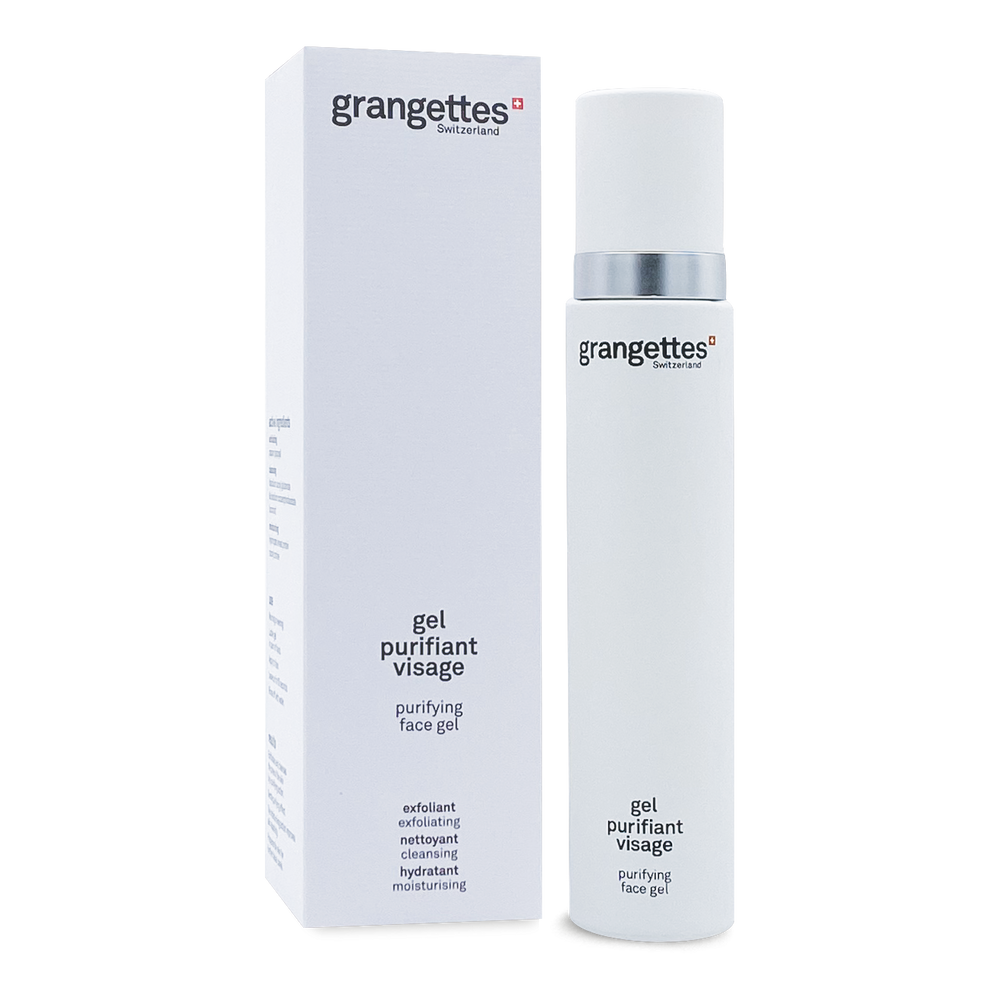
A gentle cleanser: the Grangettes purifying gel helps you effectively remove impurities and excess sebum. It ensures optimal hydration and preserves the softness and suppleness of your skin;
-
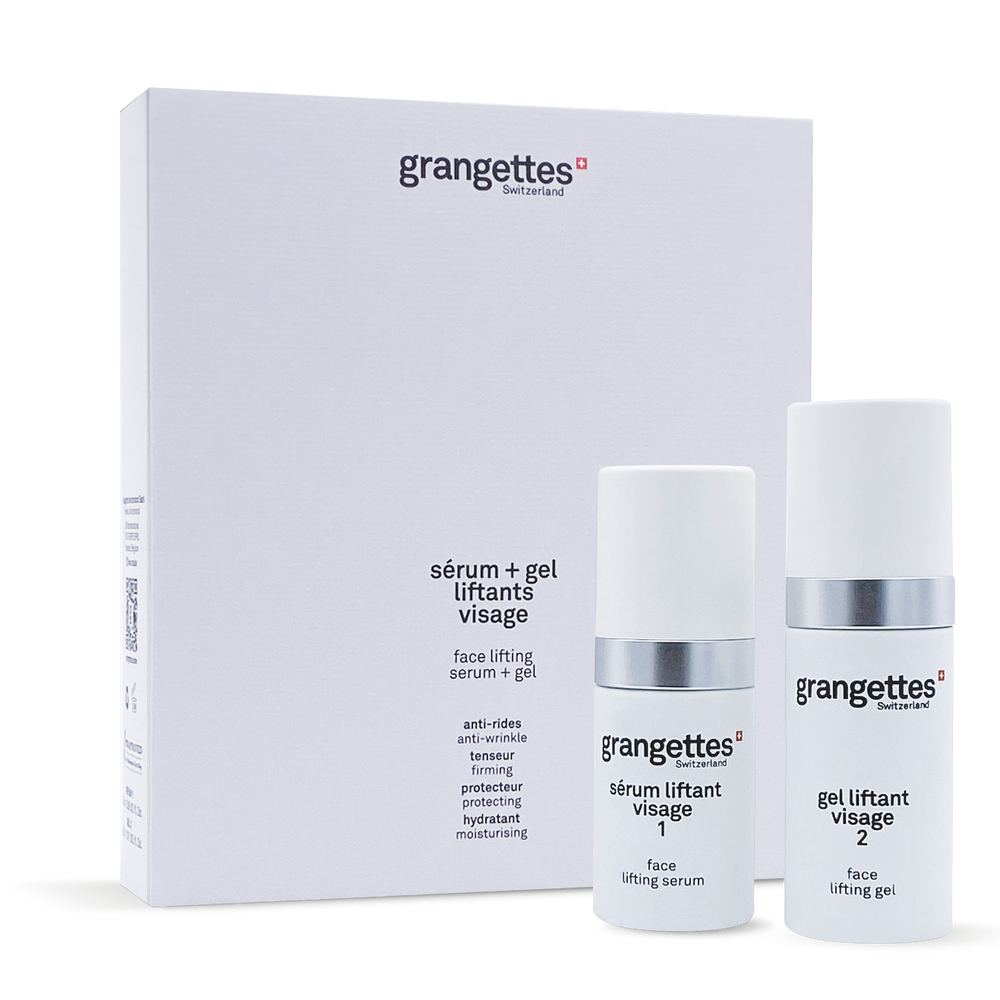
A hydrating serum with hyaluronic acid or niacinamide: the Grangettes Switzerland lifting serum contains hyaluronic acid, which deeply hydrates the skin and preserves the suppleness of your face;
-
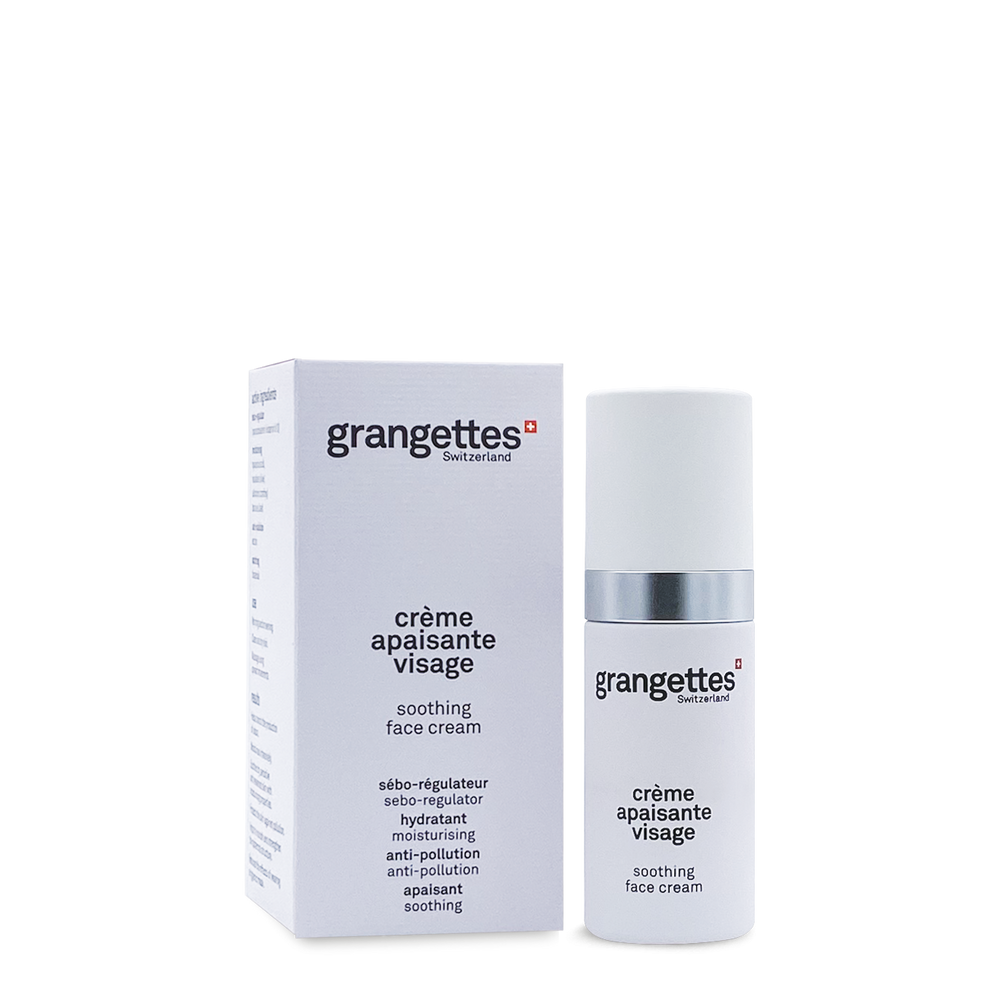
A soothing cream to protect the skin barrier. The Grangettes Switzerland soothing cream has been designed to meet the specific needs of the skin, such as sebum regulation, redness, dryness, and acne.
- Regular price
- 41,35 €
- Regular price
- Sale price
- 41,35 €
- Unit price
- per
- Regular price
- 85,00 €
- Regular price
- Sale price
- 85,00 €
- Unit price
- per
- Regular price
- 40,20 €
- Regular price
- Sale price
- 40,20 €
- Unit price
- per
The goal? Avoid too many and too complex routines: under stress, the skin becomes more fragile. Make sure to focus on regularity, as keeping a simple morning and evening ritual greatly helps stabilize the skin.
Manage stress spikes
Simple techniques can quickly lower cortisol:
-
Slow breathing;
-
Heart coherence;
-
Exercise;
-
Brisk walking;
-
Meditation;
-
The facial yoga (which reduces tension and improves circulation).
Improve your sleep
The benefits of sleep on the skin are numerous: indeed, restorative nights mechanically reduce inflammatory outbreaks. Adopt a gentle evening routine, dim lighting, no screens, drink herbal teas… These tips can help calm your nervous system to fall asleep faster.
Monitor your diet
What to eat for beautiful skin? Start by reducing sugar, avoid ingredients that cause glycemic spikes, include omega-3s and fiber, and drink more water. The skin loves stability, and diet contributes to that!
Should you consult a doctor in case of stress-related pimples?
See a specialist if:
-
The skin eruptions become persistent;
-
The pimples are painful and deep;
-
You notice a rapid worsening;
-
Acne affects your mood or confidence.
A dermatologist may suggest topical treatments, hormonal monitoring, or even refer you to therapies adapted to stress. Sometimes, psychological support or a holistic approach (sleep, emotional management, lifestyle) provides as many benefits as a skin treatment.