


What is damaged skin?
Damaged skin refers to skin whose skin barrier is impaired. This barrier, called the hydrolipidic film, is made up of water, lipids, and cells that protect the skin and maintain its hydration.
When this barrier is damaged, the skin becomes more vulnerable. It loses water more easily, leading to dryness and discomfort. Irritants and bacteria can also penetrate more easily, causing redness or inflammatory reactions.
Skin lesions can take different forms:
- Irritations;
- Cracks;
- Micro-cuts;
- Red patches;
- Areas of intense dryness.
They most often appear on the face, hands, legs but can be present on any other part of the body.
What are the common causes of damaged skin?
Several factors can explain the appearance of damaged skin. In many cases, it is a combination of several elements:
- External aggressions are among the most common causes. Cold, wind, pollution, or excessive sun exposure can weaken the skin and damage its protective film;
- Harsh products can also be responsible. Some soaps, shower gels, or household products contain irritating ingredients that dry out the skin and disrupt its natural balance;
- Dry skin also plays an important role. Skin lacking lipids or hydration becomes more fragile and can easily crack or become irritated;
- Repeated friction can also cause lesions. Tight clothing, synthetic fabrics, or frequent shaving can weaken the skin;
- Certain dermatological issues like eczema, psoriasis, or dermatitis can cause skin lesions and sometimes require medical follow-up.
Signs of damaged skin
Recognizing the signs of damaged skin allows you to act quickly and prevent the situation from worsening.
Damaged skin can show itself through:
-
Its redness;
-
Burning sensations;
-
Tingling sensations (for example, skin that itches after showering);
-
Significant dryness;
-
Cracks or small fissures;
-
A feeling of tight, pulling skin.
In some cases, the skin can also become more sensitive to cosmetic products or temperature changes.
Tip #1: apply products on slightly damp skin
A simple but often forgotten step is to apply repair products just after showering or bathing, while the skin is still slightly damp.
Water on the skin’s surface is then absorbed by moisturizing agents like vegetable glycerin or hyaluronic acid. This step helps you maximize hydration and strengthen the skin barrier, which promotes repair of fragile areas.
Tip #2: reduce friction on the skin
Repeated rubbing can slow the healing of damaged skin. Tight clothing, certain synthetic fabrics, or even rough towels can further irritate affected areas.
Instead, favor:
-
Loose clothing;
-
Natural materials like cotton, linen;
-
Soft and absorbent towels.
Limiting friction helps your skin regenerate more easily.
Tip #3: support skin repair through nutrition
Skin repair doesn’t depend only on the products applied to the skin. Nutrition also plays an important role. But what to eat for beautiful skin?
Certain nutrients are especially helpful for supporting skin regeneration:
-
Omega-3s (fatty fish, walnuts, flax seeds);
-
Vitamin C (citrus fruits, kiwi, bell pepper);
-
Zinc (pumpkin seeds, seafood).
These nutrients contribute to the production of collagen and to the repair of skin tissues.
Tip #4: simplify your skincare routine
When the skin is damaged, it can be tempting to use many products to speed up repair. However, an overly complex routine can sometimes irritate the skin further.
Choose a simple routine by opting for:
1) A gentle cleanser;
2) A moisturizing and repairing treatment.
The goal is to let the skin repair itself without overloading it with too many different active ingredients.
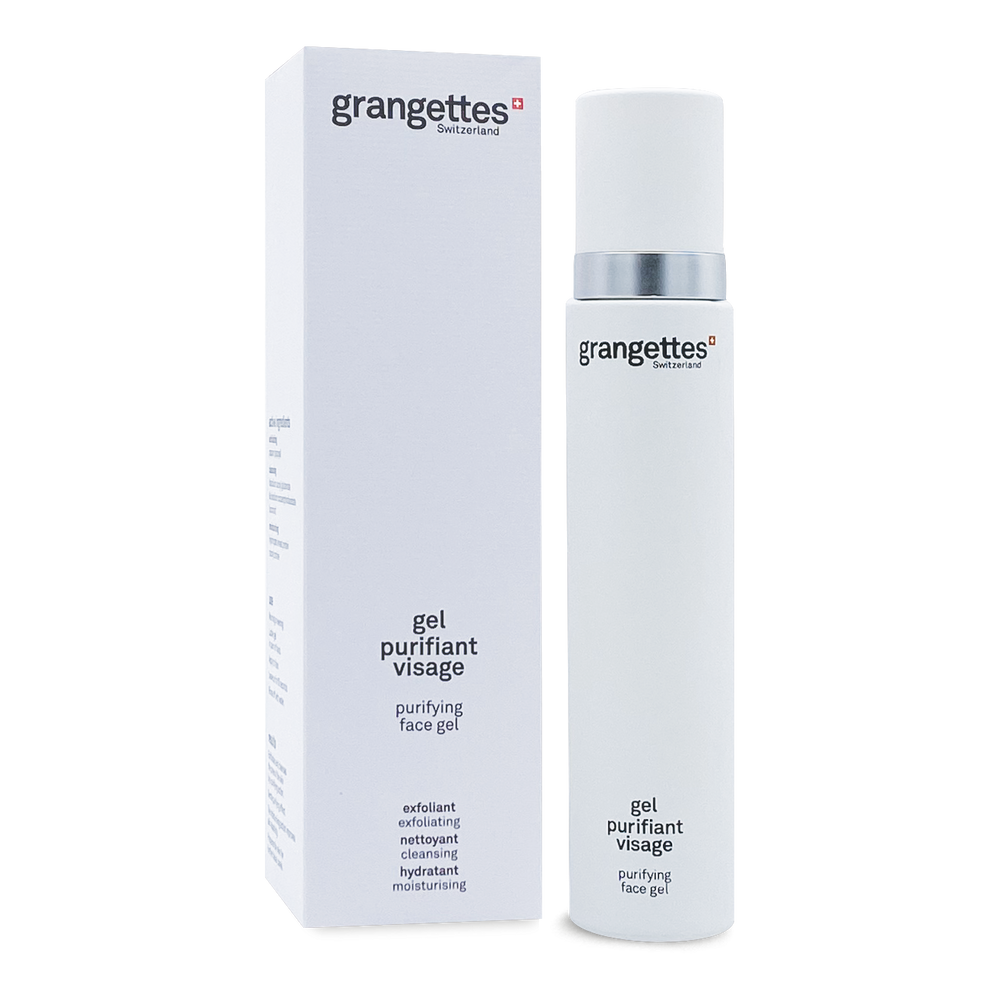
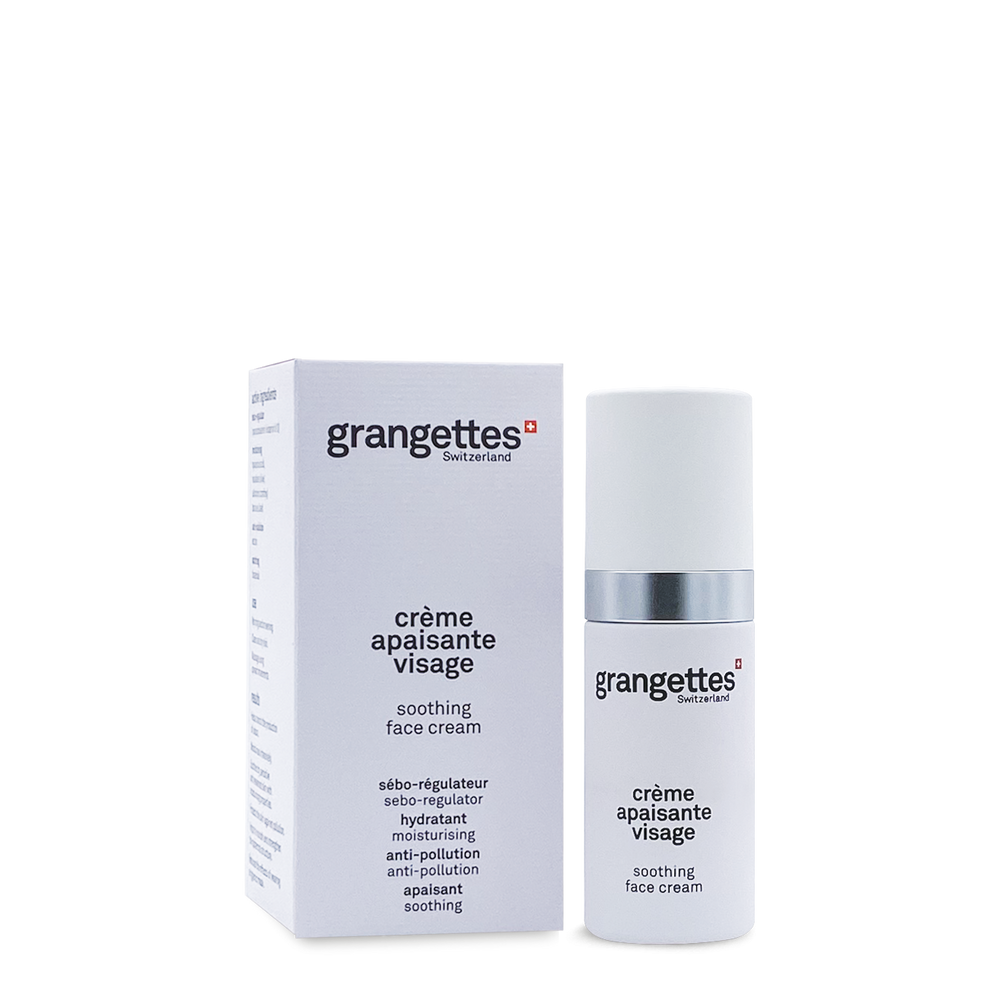
Here, the combination of purifying face gel + soothing cream Grangettes Switzerland is ideal. The purifying face gel contains papain, which gently exfoliates to promote cell renewal. The soothing cream, meanwhile, contains hyaluronic acid, squalane, allantoin, and betaine to hydrate and soothe your damaged skin.
- Regular price
- 41,35 €
- Regular price
- Sale price
- 41,35 €
- Unit price
- per
- Regular price
- 40,20 €
- Regular price
- Sale price
- 40,20 €
- Unit price
- per
Tip #5: favor treatments that strengthen the skin barrier
To help damaged skin repair itself, it is essential to choose treatments that restore the hydrolipidic film, the skin’s natural barrier.
The particularly interesting ingredients are:
-
Squalane;
-
Nourishing vegetable oils;
-
Glycerin;
-
Hyaluronic acid.
These active ingredients hydrate the skin while improving its ability to defend against external aggressions.

Tip #6: promote cell regeneration at night
The skin mainly regenerates during sleep. Indeed, it is at night that skin cells renew most actively.
To support this process, in the evening, apply treatments rich in hyaluronic acid, squalane, or antioxidants. These active ingredients support skin barrier repair and help improve skin quality over the nights.
After the shower, two allies accompany you:
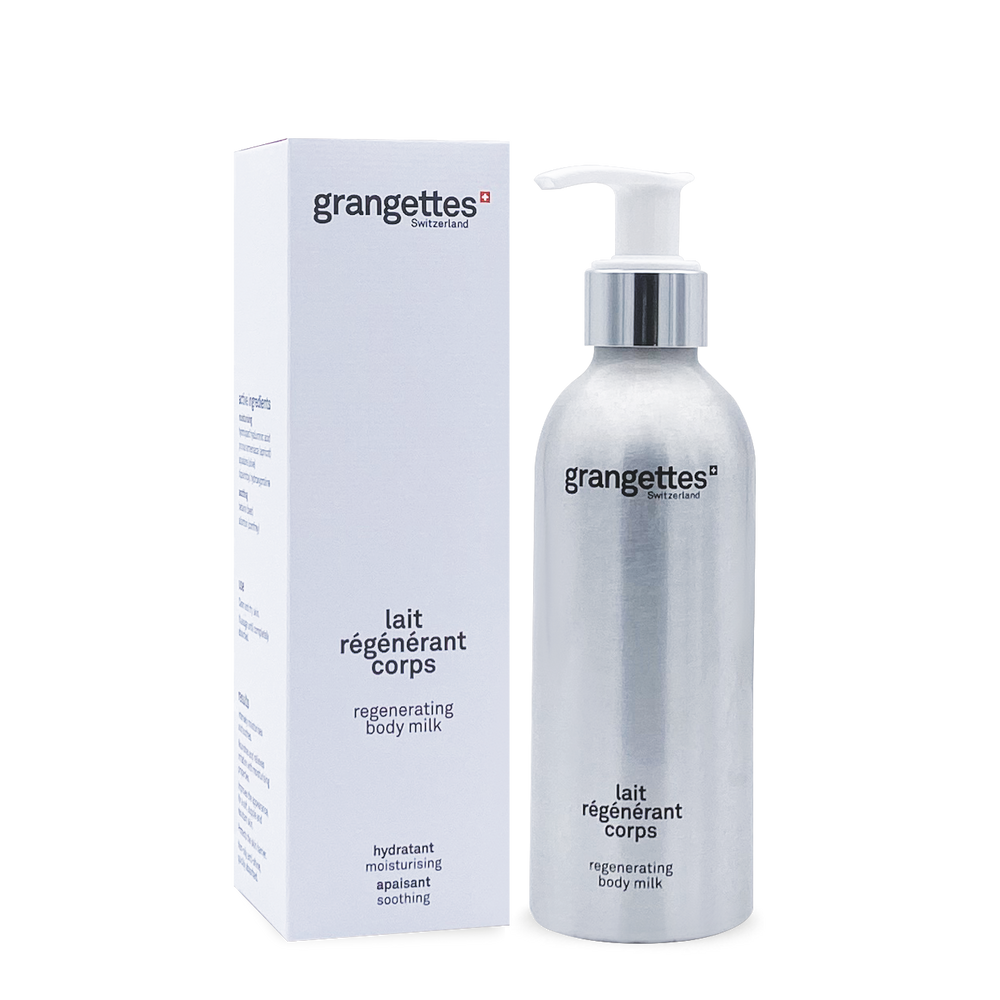
1) For the body, the Grangettes Switzerland regenerating milk is ideal: it contains moisturizing agents (hyaluronic acid, apricot oil, squalane) and soothing agents (betaine, allantoin), which protect your skin barrier day after day;
2) For the face, the Grangettes Switzerland soothing cream is essential: it is designed to meet the specific needs of the skin, such as sebum regulation, redness, dryness, and acne. It is ideal for protecting and repairing damaged skin!
- Regular price
- 40,20 €
- Regular price
- Sale price
- 40,20 €
- Unit price
- per
- Regular price
- 40,20 €
- Regular price
- Sale price
- 40,20 €
- Unit price
- per
Tip #7: protect the skin from micro-inflammations
Even when lesions seem mild, the skin can remain in a state of chronic micro-inflammation. This invisible inflammation can slow healing and maintain redness.
Certain active ingredients are especially useful to limit this phenomenon:
-
Allantoin;
-
Niacinamide;
-
Betaine.
They help soothe skin tissues and reduce inflammatory reactions.
Tip #8: maintain hydration on multiple levels
To effectively repair damaged skin, hydration must work on multiple levels. An effective product usually combines:
-
Humectants (glycerin, hyaluronic acid) that attract water;
-
Emollients (vegetable oils, squalane) that soften the skin;
-
Light occlusive agents that limit water loss.
This combination allows for long-lasting restoration of the skin barrier and improves skin comfort.

Tip #9: reduce insensible water loss (TEWL)
When the skin is damaged, it loses more water. Dermatologists refer to this as insensible water loss, also called TEWL (Transepidermal Water Loss).
To limit this phenomenon, it is important to use products that strengthen the skin barrier and maintain hydration. Ingredients like squalane, hyaluronic acid, or certain vegetable oils are particularly effective in reducing this water loss.
Body care products rich in moisturizing and regenerating active ingredients, such as Grangettes Switzerland regenerating body milk, can help nourish the skin, support skin repair, and improve its resistance to external aggressions.
- Regular price
- 40,20 €
- Regular price
- Sale price
- 40,20 €
- Unit price
- per
Actions to avoid
Certain habits can worsen the condition of damaged skin and slow down its healing.
It is advised to avoid:
-
Harsh scrubs;
-
Products containing alcohol;
-
Irritating perfumes;
-
Showers that are too hot;
-
Scratching irritated areas: indeed, even though itching can be bothersome, scratching risks further damaging the skin and promoting the appearance of new lesions.