


Why does the skin become flabby?
Skin firmness largely depends on two essential proteins: collagen and elastin. These fibers, naturally produced by fibroblasts located in the dermis, form a kind of support mesh. Collagen provides strength, while elastin allows the skin to stretch and then return to its original shape.
With age, collagen production gradually decreases. From 25-30 years old, it slows by about 1% per year. Existing fibers also become less organized and less functional. Result: the skin thins, loses density and elasticity.
Other factors accelerate this skin laxity:
-
Significant and rapid weight fluctuations;
-
Pregnancy;
-
Excessive exposure to sun;
-
An unbalanced diet;
-
Chronic stress.
UV rays, for example, degrade collagen fibers through a phenomenon called photo-aging. This is why the most exposed areas (face, neck, décolleté, arms) are often the first affected.
Focus on the most affected body areas
Skin laxity can affect different parts of the body. The face is obviously at the forefront, with the oval changing, the cheeks sagging, or the neck wrinkling.
But the body is not spared... The frequently affected areas are:
-
The inner arms;
-
The belly, especially after pregnancy or weight loss;
-
The inner thighs;
-
The knees;
-
The décolleté.
After significant weight loss, the skin may struggle to retract if the slimming was rapid. The more gradual the loss, the more time the skin has to adapt.

Hydration and massages: the essential basics
Sagging skin is often dry, dehydrated skin. Even though hydration does not mechanically "tighten" tissues, it visibly improves the skin's appearance and texture. Well-hydrated skin looks more supple, plumper, and more radiant.
It is essential to act on two levels: internal and external.
1) Drinking enough water (at least 1.5 liters per day) helps maintain good water balance;
2) At the same time, daily application of a moisturizing treatment rich in humectants (such as glycerin, squalane, or hyaluronic acid), nourishing lipids (shea butter, vegetable oils), and firming actives supports the skin barrier.
Massages during application are particularly important. They stimulate microcirculation and promote better penetration of active ingredients.
Stimulating collagen production
If loss of elasticity is linked to decreased collagen, it makes sense to seek to support its synthesis. Some cosmetic ingredients are recognized for their stimulating action.
Among the most interesting:
-
The vitamin C, which promotes collagen synthesis;
-
The peptides, which provide texture and strength to your epidermis;
- Hyaluronic acid, which makes the skin more supple.
A regular routine, applied over several months, is essential to see visible results. Patience and consistency are valuable allies.
Sagging skin on the body: Grangettes Switzerland body milk
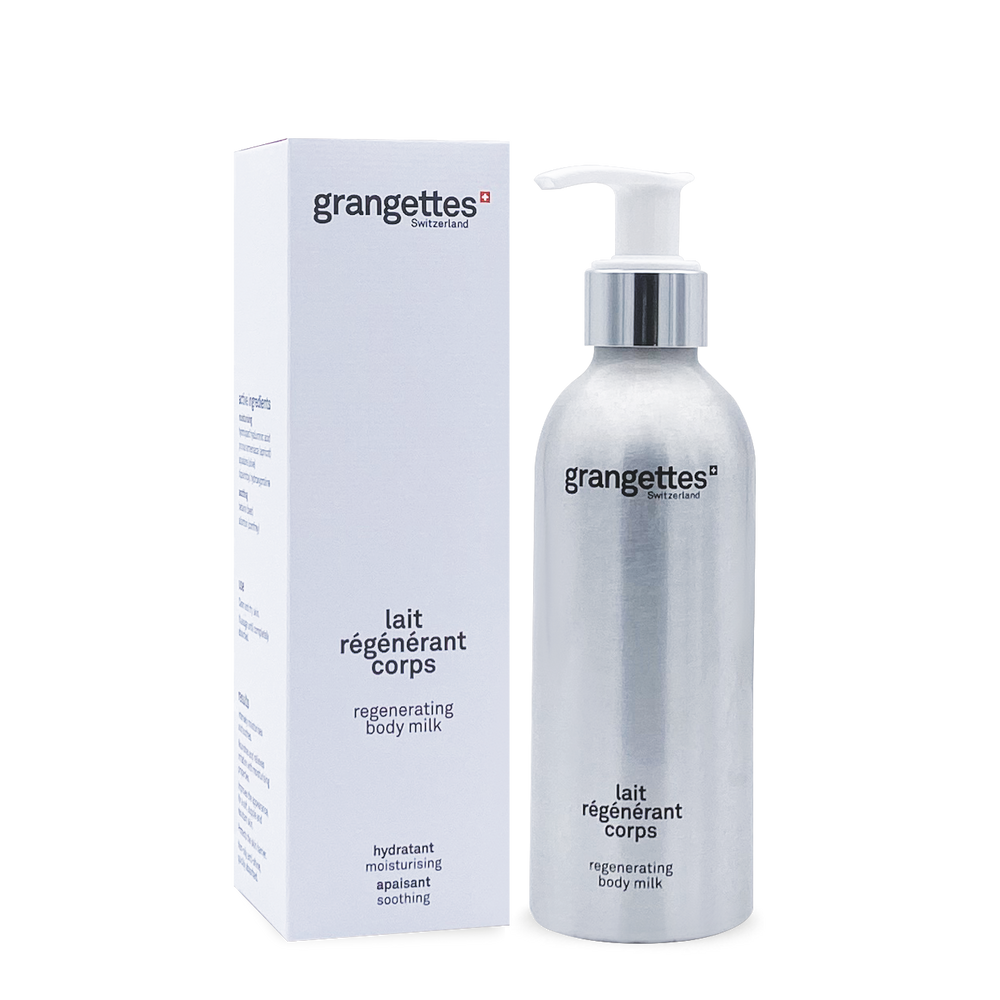
To firm the skin of the body, the Grangettes Switzerland regenerating body milk is a must! Its formula maintains the skin's structure and regulates its hydration: hyaluronic acid, squalane, betaine, and allantoin work together to hydrate and soothe your skin. Apply it directly after showering, on your still damp skin, to promote absorption.
- Regular price
- 40,20 €
- Regular price
- Sale price
- 40,20 €
- Unit price
- per
Sagging skin on the face: the Grangettes Switzerland anti-aging cream and lifting serum
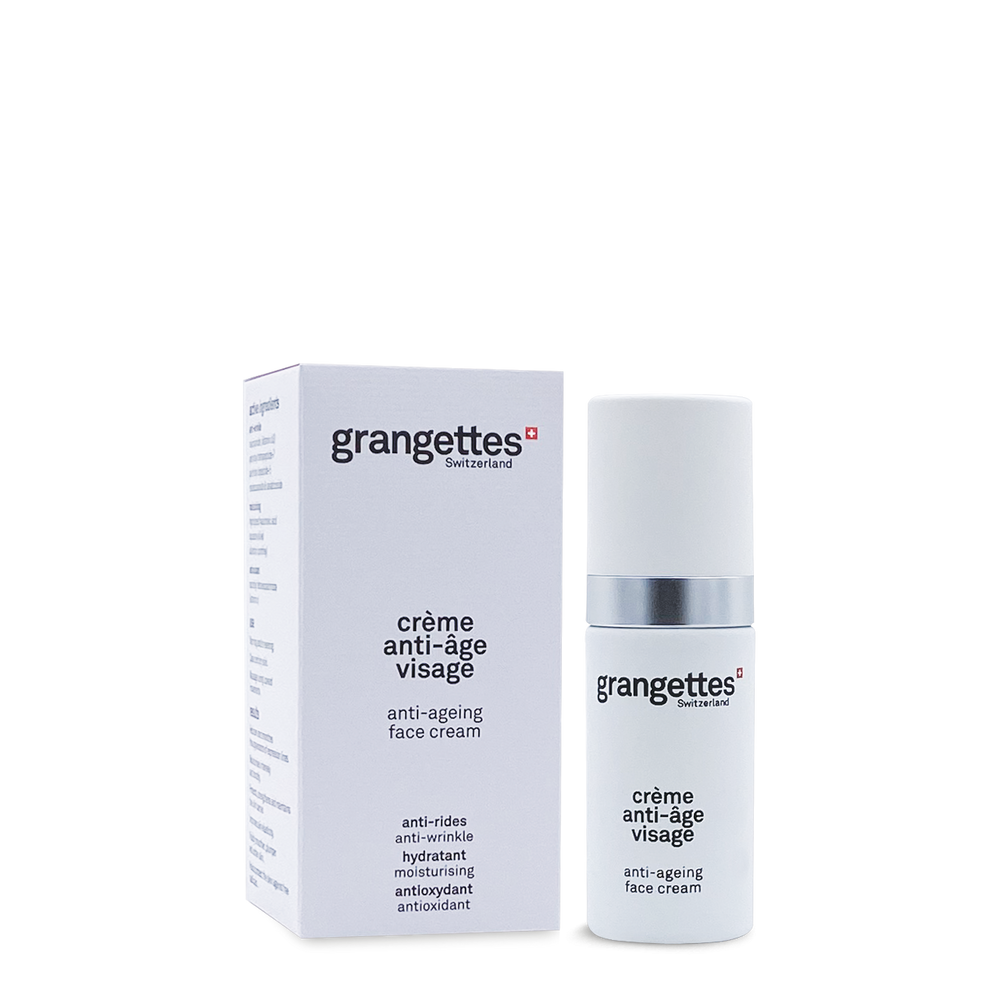
To stimulate collagen production on the face, you can turn to the Grangettes Switzerland anti-aging cream. Thanks to its powerful active ingredients, it structures and rebuilds the extracellular matrix of your skin. It targets wrinkles and fine lines, offering you a complete solution to restore the skin. With this cream, hydration is at the heart of the formulation: hydrolyzed hyaluronic acid, squalane (derived from olive), and allantoin (from comfrey) work to deliver intense and lasting hydration. The skin regains softness, suppleness, and natural radiance.
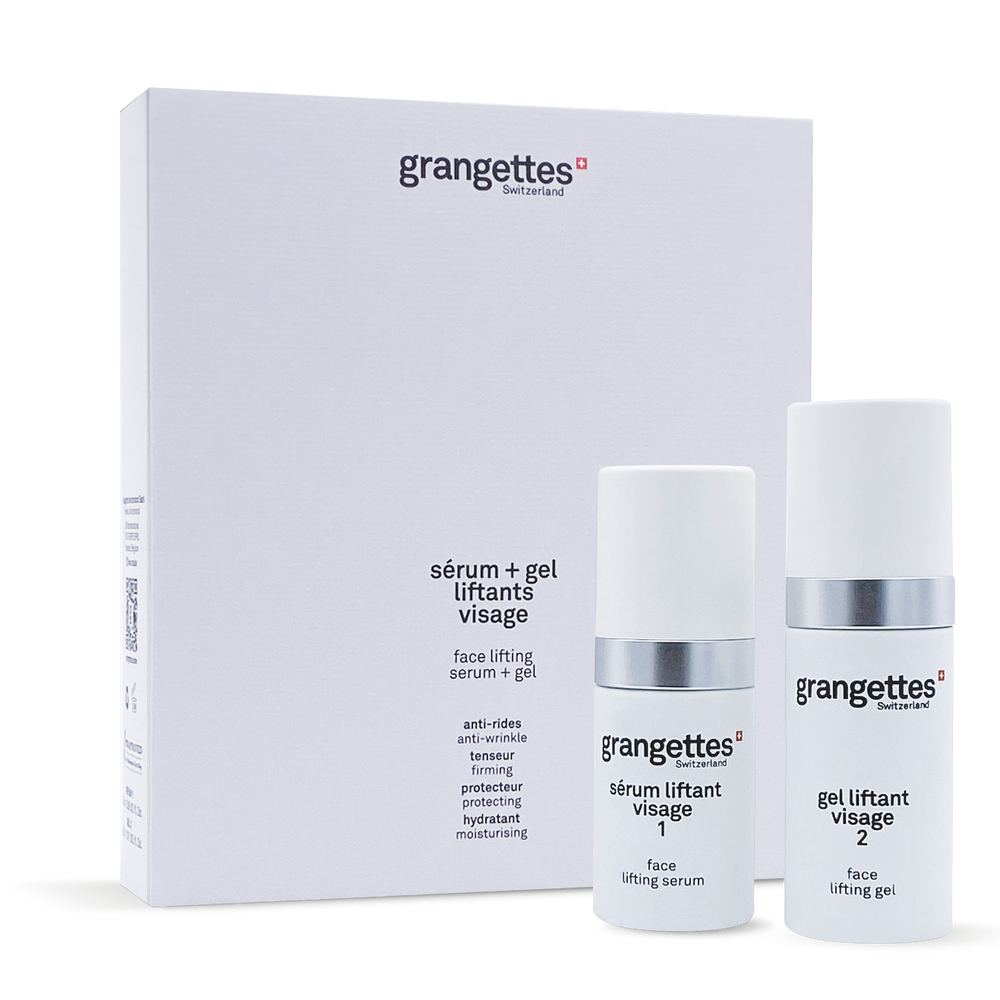
The Grangettes serum and lifting gel duo, for its part, is enriched with peptides, ingredients that strengthen skin elasticity, leaving it smooth, soft and shine-free. It also contains vitamin C, offering additional protection to your skin and helping to combat signs of aging.
- Regular price
- 42,50 €
- Regular price
- Sale price
- 42,50 €
- Unit price
- per
- Regular price
- 85,00 €
- Regular price
- Sale price
- 85,00 €
- Unit price
- per
The importance of physical activity
Sport does not directly firm the skin, but it tones the underlying muscles. Firmer muscles provide better support to the skin tissues. The overall appearance of the silhouette is thus improved.
Muscle strengthening sessions are particularly beneficial for:
-
The arms;
-
The thighs;
-
The buttocks;
-
The abdominals.
Targeted exercises, practiced two to three times a week, can transform the appearance of a loose area in a few months. The gain in muscle tone acts like a natural "lifting effect."
Moreover, physical activity also improves blood circulation, which promotes oxygenation and nourishment of tissues!

The role of diet in preventing sagging skin
The skin is a reflection of what we consume. A diet rich in antioxidants helps fight oxidative stress, which is responsible for premature aging of cells.
So, what to eat for beautiful skin? The key nutrients to support skin elasticity include:
-
Proteins, essential for collagen structure;
-
Vitamin C (citrus fruits, kiwi, peppers);
-
Vitamin E (nuts, vegetable oils);
-
Omega-3s (fatty fish, flax seeds);
-
Zinc and copper.
Consistency above all
It is important to keep in mind that no miracle solution can tighten skin in a few days. Skin elasticity is developed over time. A consistent routine combining suitable care, massages, physical activity, and a balanced diet yields gradual but lasting results.
The skin is a living organ. It reacts to our lifestyle, environment, and emotions. Chronic stress, for example, influences cortisol production, a hormone that can impair tissue quality.
Taking care of your skin also means taking care of yourself as a whole!
Accept, without giving up
Finally, it is essential to adopt a kind perspective towards your body. Skin sagging is part of the natural changes related to time, life transformations, and the experiences we go through.
Seeking to improve your skin’s elasticity does not mean rejecting aging. It’s more about supporting your body with respect and intelligence, giving it the means to stay toned and comfortable.
Regaining firmer skin is possible, provided you act consistently. Results vary depending on age, genetics, lifestyle, and the extent of initial sagging. But every action counts.
By adopting a suitable routine and understanding the biological mechanisms at play, you can gradually restore your skin's suppleness, density, and elasticity. Because toned skin is not just a matter of aesthetics: it’s also a feeling of support, comfort, and regained confidence!